Why self catering works in San Carlos de Bariloche
Self-catering in San Carlos de Bariloche provides practical freedoms that suit many travel styles—especially for English-speaking visitors who prize flexibility, budget control, and a chance to live at local pace. Choosing an independent apartment or holiday cottage means meals can follow the day’s activities rather than restaurant hours: early breakfasts before a lakeside walk, packed lunches for Circuito Chico, or late dinners after a day on the slopes. For families and groups, self-catering reduces per-person costs because bulk groceries and home-cooked meals stretch budgets significantly compared with dining out every meal. Long-stay vacation rentals are particularly economical for travelers planning to settle for a week or more; monthly or multi-week rates often lower nightly costs and remove the constant churn of eating out. Privacy and quiet are also important—renting a self-contained unit gives space for routines, children’s nap times, or work hours without negotiating a public dining room or fixed schedules.
The variety of property types around Nahuel Huapi Lake and the town itself means choices align closely with trip objectives. Self-catering apartments in downtown San Carlos de Bariloche put guests within walking distance of local markets and Centro Cívico while offering the convenience of fully equipped kitchens for everyday meals. Holiday cottages (cabañas) dotted along the lakeshore are ideal for travelers who want direct access to water views and outdoor life—perfect for anglers, kayakers, or anyone who values scenic mornings with coffee in hand. For those who prioritize short treks or ski access, rentals near Cerro Catedral or hiking trails provide logistical advantages like easy gear storage and quicker morning departures. Choosing self-catering also enables dietary freedom: travelers with specific preferences—vegetarian, gluten-free, or particular food sensitivities—can shop local produce, prepare safe meals, and avoid potential language barriers when communicating specialized requests.
Beyond cost and convenience, self-catering accommodations offer cultural benefits. Shopping at neighborhood grocery stores, visiting farmers’ markets for smoked trout and artisan chocolate, and using kitchen staples encourages engagement with local foodways at a pace that restaurant dining rarely allows. A kitchen becomes a place to experiment with Patagonian ingredients—berries, lamb cuts, and regional cheeses—turning food into an exploration rather than a single dining experience. For longer stays, this living-like-a-local approach nurtures deeper connections with the town’s rhythm: market opening hours, seasonal produce availability, and the cadence of local life inform daily decisions in a way hotels do not. Whether the aim is economizing, family comfort, or a more immersive trip, self-catering in Bariloche aligns practical needs with authentic experiences.
Choosing the right self-catering layout for your trip
Selecting the ideal layout begins by matching accommodation features to travel habits and group composition. For solo travelers and couples who want minimal upkeep and maximum views, kitchenette studios with mountain vistas provide compact comfort: typically outfitted with a small stove, fridge, and counter space sufficient for simple meals and morning coffee while freeing visitors to spend prime daylight hours exploring trails or town. Couples planning leisurely in-home dinners might prefer a one-bedroom apartment with a full kitchen that supports multi-course meals and wine evenings. Families and groups benefit most from multi-bedroom units or holiday cottages that separate sleeping areas and include larger, fully equipped kitchens—these setups facilitate meal prep for children, enable staggered bedtimes without disruption, and provide communal dining space for shared planning of activities.
Accessibility, storage, and function are key additional considerations. Accessibility-friendly self-catering units in Bariloche—ground-floor apartments, properties with ramps, or layouts with fewer internal steps—make arrivals and day-to-day life smoother for travelers with mobility needs or those traveling with toddlers and lots of gear. For ski- or hike-focused trips, prioritize rentals with straightforward entryways and secure storage areas for boots, poles, and backpacks; winter-ready self-catering accommodations with solid insulation and reliable heating systems (where documented) matter for comfort and for protecting gear overnight. Conversely, summer-friendly rentals with easy access to outdoor cooking areas or terraces expand meal possibilities to barbecues and alfresco breakfasts. For longer stays, long-stay vacation rentals often include washer/dryer access, larger refrigerators, and more pantry space—features that reduce reliance on laundry services and repeated grocery runs. Ultimately, choosing a layout is about aligning the spatial flow of a property with daily routines: quiet sleeping zones, kitchen placement relative to living areas, and the presence of a dining table for nightly gatherings can transform a functional stay into a genuinely restorative base.
Where to stay by the lake and why lakeside matters
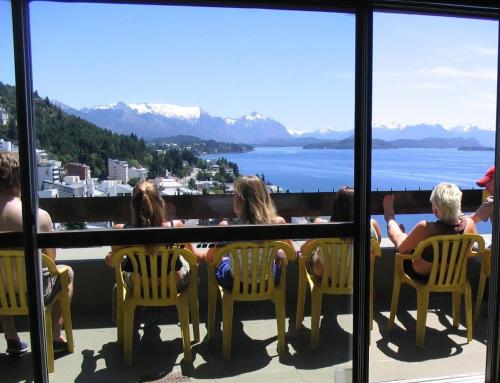
Lakeside self-catering properties on Nahuel Huapi offer unique daily rhythms that appeal to both active and restful travelers. Waking to a lake view changes provisioning needs and meal timing: mornings often include a quick coffee to watch the light on the water, while afternoons may feature simple seafood-based meals after a local market run. Cabañas clustered along the shore make it easy to step out for fishing, kayaking, or shoreline walks between meal prep sessions, which is especially convenient for those who prefer split days—activity in the morning and relaxed cooking or reading in the afternoon. The proximity to water also affects packing and provisioning: larger refrigerators for freshly purchased fish or extra drying space for wet gear can be useful; guests should check kitchen appliance checklists and storage arrangements before booking to ensure the property supports lakeside living.
Neighborhood choice around the lake blends convenience with atmosphere. Properties nearer the town’s Centro Cívico area provide faster access to supermarkets and specialty food vendors, which suits travelers who plan frequent grocery trips or who prefer to pick up artisanal smoked trout and chocolates within walking distance. More secluded lakeside cottages favor travelers seeking tranquil evenings and direct nature access; these spots can reduce noise and light pollution, enhancing starry nights and quiet breakfasts. Lakeside rentals also make outdoor meals and picnics straightforward—public lakeside picnic areas and designated BBQ spots provide options for communal cooking while preserving the privacy of a rented unit’s own outdoor space, where available. When selecting a lakeside stay, confirming easy transport links—local bus routes or shuttle access—helps balance the desire for calm with the practical need to reach markets, pharmacies, or medical services.
Mountain-side rentals for hikers and skiers
Choosing a mountain-side self-catering rental in San Carlos de Bariloche unlocks convenience for outdoor-focused days without surrendering the comforts of an independent base. Properties located near Cerro Catedral, Circuito Chico approaches, and trailheads like Cerro Campanario often place kitchens, drying areas, and secure storage within easy reach of morning departures and evening gear care. For winter trips, prioritize listings that explicitly note winter-ready features such as robust insulation and reliable heating systems; these details matter because cold nights and wet boots are part of the routine after slope days. Confirming the kitchen layout and counter space ahead of arrival prevents cramped breakfast rushes before hitting the lifts and ensures there’s room to prepare portable lunches for long hikes. Summer trips present different priorities: check for outdoor cooking areas, durable balconies or terraces for airing out sun-dampened gear, and ventilation in the kitchen to manage the scents of larger family meals after trail returns.
Location relative to trails and ski access changes provisioning and daily rhythm. A rental a short walk from Cerro Catedral or a shuttle stop simplifies early starts—coffee and toast in hand, then out the door—whereas a home base deeper into residential neighborhoods offers quieter evenings and often more spacious kitchens for group meal prep. Storage solutions are worth a close look: ski boots, poles, crampons, and hiking packs need a dry place overnight to avoid mould and damage; many self-catering listings will show entryways or mudrooms in photos, but where images are sparse, ask hosts about dedicated storage, hooks, boot racks, and heaters. Consider transport links as part of pairing a property to plans—proximity to local bus routes or private shuttle pickups can mean less schlepping of heavy equipment, while properties farther out may reward with better sunrise views and more privacy but require planning for gear movement and grocery trips.
Family and group planning for self-catering stays
Self-catering accommodations excel for families and groups because they offer shared living space, flexible meal times, and cost-effective ways to feed diverse appetites. When selecting a unit, focus on multi-bedroom layouts that separate sleeping zones—this allows adults to prepare meals or pack gear without disturbing napping children. Look for listings that clearly show dining table size and seating arrangements so communal meals fit everyone without resorting to paper plates on laps. A well-stocked kitchen is a practical lifesaver: confirm availability of basic cookware, child-friendly dinnerware, a microwave, and a kettle. For longer family stays, a larger refrigerator and freezer space enable bulk buys and meal-prep in advance, while washer/dryer access reduces packing volume and keeps routines manageable between activities.
Budget-conscious families benefit from targeted provisioning strategies: create a grocery list of staples—pasta, rice, cereal, milk, eggs, local fruit, and ready-to-eat snacks—that suits both adults and children, and shop at neighborhood supermarkets or farmers’ markets for fresher, often cheaper produce. Batch-cooking dinners or pre-made lunches for day trips saves time and money, and simple meal plans tailored to local ingredients (like roasted Patagonian lamb or grilled trout when available) elevate the experience without complex cooking. For groups, clarity around sleeping arrangements and shared responsibilities avoids friction—agree on kitchen shifts, dish rotation, and storage labeling for perishable items. Accessibility-friendly self-catering units (ground-floor access, fewer steps, ramps) are especially valuable for families travelling with strollers or elderly relatives; verifying step-free entry and bathroom layout can transform a challenging stay into a smooth one.
Pet-friendly self-catering options in Bariloche
Traveling with a pet in San Carlos de Bariloche is entirely feasible when selecting the right self-catering property. Many holiday cottages and apartments list pet policies clearly; prioritize units with secure outdoor space or fenced yards so dogs can stretch safely after walks. For urban stays near Centro Cívico, properties within walking distance of parks and lakeshore promenades simplify daily routines—short strolls to green areas keep pets content and reduce the need for car trips. Confirm rules about pets on furniture, cleaning fees, and whether the host provides pet bowls or waste bags. In more rural lakeside or mountain-side rentals, look for mentions of leash-friendly trails, nearby open spaces, and any seasonal wildlife considerations that might affect pets’ safety.
Practical planning reduces surprises: map nearby veterinary clinics and emergency pet services before arrival, especially when staying in more remote lakeside cabañas where access to professionals may be slower. Pack a pet-first kit with familiar bedding, food, water bowls, and a copy of vaccination records—some hosts ask for proof of shots or may require registration. Consider the property’s flooring and heating: tiled floors are easier to clean after muddy trail days, while secure heating prevents chilling in cold months. Respectful behaviour around neighbours—controlling barking, disposing of waste properly, and keeping dogs on approved paths—ensures pet-friendly listings remain available and keeps relationships with hosts and neighbours positive.
Budget savvy stays and saving strategies
Stretching travel budgets in Bariloche is straightforward with strategic self-catering choices. Budget self-catering stays—compact kitchenette studios, simpler apartments near town, or modest lakeside cabañas—reduce nightly costs while still allowing control over meal spending. Opt for properties within walking distance of supermarkets and farmers’ markets to avoid transport costs tied to grocery runs. Shopping seasonally at local markets yields fresher ingredients and lower prices, particularly for Patagonian staples like berries, root vegetables, and regional cuts of meat. For couples, meal planning around shared staples like eggs, pasta, and local produce can provide nutritious, low-effort dinners; for families, bulk buying of staples and pre-preparing meals for day trips prevents expensive on-the-go purchases.
Operational habits matter as much as property choice. Batch cooking and reusing ingredients across meals reduces waste and per-person cost; plan for breakfasts that reuse bread and spreads, lunches that turn leftovers into sandwiches, and dinners that stretch a protein across a couple of meals. Use small, local delis and neighborhood stores for quick items rather than relying on pricier corner shops. Kitchenette studios work well for travelers prioritizing experience over elaborate cooking—bring compact cookware or confirm the presence of basics to keep costs down. Finally, choose cancellation-flexible bookings or look for long-stay vacation rentals with weekly or monthly discounts if plans include extended time; the per-night saving of a long-stay option often outweighs a slightly higher short-term rate.
Luxury independent villas and high-end self-catering experiences
Luxury self-catering villas offer a distinct way to enjoy Bariloche’s scenery while maintaining control over mealtimes and guest logistics. High-end private kitchens often include professional-grade appliances, generous prep space, and layouts designed for hosting—ideal for large family gatherings, celebrations, or small private events where cooking in is part of the appeal. These properties typically emphasize space and privacy: large dining areas, multiple living zones, and separate guest wings let groups dine together without sacrificing personal downtime. The kitchen’s quality affects what guests can produce: a chef-caliber range and ample refrigeration mean menus can include fresh local seafood, multi-course lamb roasts, or elaborate desserts using locally bought chocolates and berries.
Deciding to splurge on a luxury villa usually depends on trip purpose and group size. For celebratory stays—birthdays, reunions, or special anniversaries—the ability to craft private meals and host intimate evenings justifies the extra cost. From a practical angle, luxury villas often streamline logistics for large parties: multiple bathrooms, extensive storage for groceries, and generous pantry space reduce friction during multi-day meal preparations. Verify what is provided in the kitchen and any permitted external services (private chefs or catering) and understand local short-term rental rules that could affect gatherings. High-end self-catering remains distinct from standard rentals by focusing on space, appliance quality, and the ease of hosting memorable meals anchored by Bariloche’s ingredients.
Seasonal preparation and packing lists for self-caterers
Seasonality radically shapes what to pack and buy on arrival in Bariloche. Winter visitors should prioritize thermal layers, waterproof footwear, and insulated containers for taking food up into cold environments. For self-caterers, pack a reliable set of reusable food containers for leftover storage and insulated lunch boxes for slope-side meals; these reduce waste and make morning departures simpler. Helathy thermal socks, base layers, and a compact boot-dryer or quick-dry liners will keep footwear fresher between days on the snow. In addition, bring a small toolkit for minor gear fixes—duct tape, zip ties, and a multi-tool can solve many last-minute issues that would otherwise interrupt plans.
Summer months call for lighter but practical items: sun protection, mosquito repellant for lakeside evenings, and breathable clothing for hikes. A lightweight picnic blanket, portable cooler bag, and reusable utensils make lakeside lunches and trail picnics more enjoyable and reduce reliance on disposable items. Regardless of season, include a compact first-aid kit, a basic set of kitchen spices if particular tastes are required, and any specialty cooking implements not guaranteed in every rental (for example, a reliable coffee press if coffee quality matters to the group). Lastly, review the listing’s appliances and amenities before departure so the packing list complements what’s already available—no need to bring bulky gadgets if the property’s kitchen checklist confirms a well-equipped stove and coffee maker.
Local grocery sources and specialty ingredients
Sourcing ingredients in Bariloche offers a delightful mix of supermarket convenience and specialty finds that enhance self-catering meals. Major supermarkets in town carry staples—grains, dairy, canned goods, and basics—while neighborhood tiendas and bodegas provide quick access to fresh bread, snacks, and dairy products during evening hours. Farmers’ markets and specialty food stalls are the places to find smoked trout, seasonal berries, artisanal cheeses, and craft chocolates that give self-catered meals local character. Shopping early at markets often yields the best selection of fresh fish and produce; plan morning market visits when restocking for supper or planning picnic lunches for day trips.
Understanding seasonality helps maximize value: summer markets brim with berries and fresh greens, while cooler months bring heartier vegetables and preserved goods. For those aiming to recreate Argentine-inspired meals, add staples like yerba mate for local-style coffee breaks, regional cheeses for simple platters, and cuts of Patagonian lamb for roasting. For perishables, plan storage around the refrigerator capacity of the chosen rental—smaller kitchenette studios may require more frequent market trips, while long-stay vacation rentals with larger fridges enable weekly bulk purchases. When in doubt, ask hosts or check listings for the proximity of a mercado or specialty vendor; properties near Centro Cívico generally put guests within walking distance of both supermarkets and artisanal shops.
Kitchen essentials checklist for self-catering properties
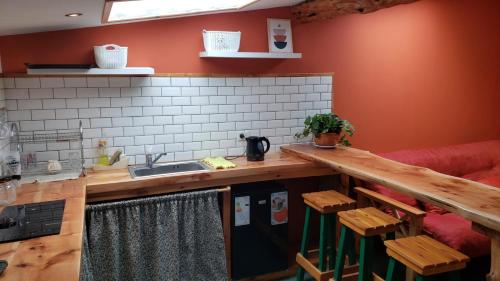
Before booking a self-catering apartment or holiday cottage in San Carlos de Bariloche, confirm the core kitchen appliance checklist so meal planning feels effortless rather than experimental. Verify that the stove and oven function reliably and are easy to operate—some older units use gas or smaller electric ranges that cook differently than expected. Refrigerator size and freezer capacity matter: kitchenette studios often have compact fridges that demand more frequent market trips, while long-stay vacation rentals typically offer larger units for bulk groceries and frozen storage. Basic cookware should include at least one frying pan, a medium saucepan, a roasting dish or baking tray, and a stockpot large enough for family-style meals; if photos or listings are sparse, request a detailed inventory. Cutlery and plates should match the advertised sleeping capacity; confirm there are serving utensils, chopping boards, a set of sharp knives, and sturdy containers for leftovers and picnic lunches.
Small appliances make everyday life comfortable and influence what can be cooked; check for a reliable coffee maker or kettle for morning routines, and whether a toaster, microwave, and blender are provided for quick breakfasts and smoothies. A simple coffee press can replace absent machines but that requires forethought. Laundry and cleaning basics—dish soap, sponges, trash bags, and a broom—are also useful to confirm, as self-catering guests handle their own tidying. Trash disposal and recycling practices vary across neighborhoods, so ask hosts how waste separation works and where bins are located to avoid fines or misunderstandings. Finally, confirm linen and towel services where relevant: long-stay vacation rentals and family-friendly self-catering units may include periodic linen changes, whereas shorter rentals often require guests to bring or request extras in advance; knowing this helps decide how much to pack and whether to plan laundry days during a longer stay.
Eating in Bariloche like a local
Cooking with local ingredients transforms self-catering into a cultural conversation rather than mere sustenance. Meal timing in Argentina tends to be later than in many English-speaking countries: lunch can run into mid-afternoon and dinner often starts after 9pm in high season, although family-style home meals commonly land earlier in residential neighborhoods. Embrace local staples—Patagonian lamb for a slow roast, fresh trout from Nahuel Huapi for simple pan-fried dishes, and seasonal berries for desserts or breakfast toppings—to create meals that reflect place and season. Simple plates like grilled trout with roasted vegetables, potato gnocchi with a butter-sage sauce, or a cheese and charcuterie board featuring artisan chocolates and regional cheeses make cosy, memorable evenings in a fully equipped kitchen without requiring professional skills.
Interacting with markets and specialty vendors is part of the pleasure: bargaining is rare at supermarkets but friendly conversation at farmers’ stalls can yield recipe tips or the day’s best buy. Learn a few Spanish grocery terms—pescado (fish), cordero (lamb), verduras (vegetables), and huevo (egg)—to smooth shopping trips and show respect. Yerba mate appears in many homes; offering to learn the ritual or to try a shared mate can open local social connections. Keep meals relaxed: allow for late returns from trails or slopes and enjoy flexible cooking that mirrors the day’s tempo—packable lunches for hikes, a hearty stew after winter activities, or a light lakeside picnic with bread, cheese, and smoked trout. Simple, seasonal cooking paired with market visits turns the self-catering kitchen into a gateway to local flavor and rhythm rather than an isolated convenience.
Where to dine outdoors and BBQ around Bariloche
Self-caterers who love outdoor meals will find Bariloche generous with picnic-ready spaces and summer-friendly grilling spots, particularly near lakeshore promenades and designated park areas. Nahuel Huapi’s shoreline and municipal parks include common areas suited for family picnics—bring a lightweight blanket, a cooler with local cheese, smoked trout, fresh bread, and seasonal fruit for an effortless lakeside feast. Many summer-friendly rentals advertise terraces or private outdoor areas that support small barbecues; when property descriptions are unclear, ask about permitted cooking methods, whether charcoal is allowed, and what waste disposal expectations exist. Public picnic zones often have permanent grills or metal grills that can be used seasonally; confirm local rules and avoid fires during restricted periods to respect environmental guidelines.
Trails and viewpoints like those near Circuito Chico and Cerro Campanario pair perfectly with packed lunches: prepare sandwiches, empanadas, or cold salads at the rental and set out early to claim a scenic spot. For an authentic, low-effort evening, create a simple barbecue or grilling plan based on local produce—grilled vegetables, chorizo, and lamb skewers highlight regional flavors without complex prep. Always follow waste disposal and recycling practices at outdoor sites; carry out whatever is brought in, and use designated bins for organics and recyclables where available. Respectful behaviour around public spaces—minimizing noise, cleaning up thoroughly, and obeying signage—keeps these outdoor dining options welcoming for everyone and preserves access for future visitors.
Connectivity logistics and utilities to check before booking
Reliable utilities and connectivity are top priorities for many self-catering travelers—whether juggling remote work, mapping day trips, or streaming downtime entertainment. Check the listing for Wi-Fi speed claims and read guest reviews for real-world reliability; rural lakeside or mountain-side rentals sometimes offer intermittent signals, so confirm whether there are backup options like a nearby coworking café, mobile data coverage, or a portable router suggestion from the host. Electricity stability matters too: inquire about voltage and any history of outages in the area, especially for winter stays when heating systems are critical. Some long-stay vacation rentals and luxury independent villas provide dedicated workspaces with strong internet, while simpler kitchenette studios may not, so align expectations with booking choice.
Practical self-catering logistics include secure self-check-in systems and safe luggage storage for early arrivals or late departures—ask whether key boxes, lockboxes, or secure entry codes are used and confirm any arrival instructions well before travel. Transport links influence provisioning and gear movement: properties near Centro Cívico simplify shopping and bus access, while rentals closer to Cerro Catedral or remote lakeside spots may rely on shuttle options or private transfers; clarify shuttle schedules and local bus routes to coordinate grocery runs and activity starts. Also verify utility arrangements such as water supply and hot water availability—some rural properties run on tanks or solar-thriven systems that affect shower duration and laundry timing. Confirming these details prevents surprises and helps tailor packing and daily routines to the specifics of the chosen self-catering base.
Safety, medical services and emergency prep for renters
Safety and emergency preparedness ensure self-catering stays remain enjoyable even when unexpected situations arise. Map the nearest hospitals, urgent care clinics, and 24-hour pharmacies relative to the rental—properties near the Centro Cívico provide closer access to medical services, while lakeside cabañas or mountain-side rentals might be farther from immediate care. Keep a basic first-aid kit stocked in the kitchen with bandages, antiseptic, pain relief, and any personal medications; consider a small fire extinguisher or knowledge of its location in the rental in case of kitchen incidents. For colder months, confirm heating systems and carbon monoxide detectors—review guest reviews specifically for mentions of safe winter-ready self-catering accommodations to spot consistent reliability. For outdoor-focused trips, check local emergency numbers and the availability of mountain rescue or park ranger contacts for hiking and skiing areas.
Accessibility-friendly units deserve special attention in emergency planning: ground-floor or ramp-access listings ease evacuation and mobility during an emergency, and examining bathroom layouts and corridor widths before arrival helps determine suitability for guests with mobility needs. Store emergency contact information—host or property manager, local pharmacy, nearest hospital—and share arrival details with someone at home. For pet owners, identify nearby veterinary clinics and pack copies of vaccination records. Understanding local hazards—river currents, steep trails, or wildlife presence near lakeside properties—also informs sensible precautions like keeping food secured outdoors and supervising pets. Being prepared with a concise emergency plan and local contacts enhances safety without sacrificing the relaxed independence self-catering provides.
Booking, cancellation and local short-term rental rules
Booking a self-catering rental in Bariloche requires attention to cancellation flexibility, deposits, and local short-term rental rules that can affect stays. Review the booking’s cancellation policy carefully: flexible options are useful for weather-dependent travel, while non-refundable deals often offer lower rates but greater risk if plans change. Many owners request a security deposit or cleaning fee—clarify the amount, refund timeline, and conditions for deductions. Short-term rental regulations vary locally, and some properties may require registration or permits; read listing descriptions and guest reviews for hints about compliance or check with hosts directly on documentation required upon arrival. Accurate communication about arrival times, guest numbers, and any special needs reduces misunderstandings and helps confirm the stay fits local rules.
Guest reviews often reveal how hosts handle disputes, refunds, and local permit issues—look for consistent praise around transparency and clear check-in instructions. For long-stay vacation rentals, inquire about monthly rates, utility billing practices, and whether periodic housekeeping is included or available as an add-on. When planning high-season stays—ski season or summer lakeside months—book early and confirm cancellation terms in case weather or travel plans change. Finally, verify whether any neighborhood rules restrict gatherings or noise levels; many residential neighborhoods maintain quiet hours, and adherence preserves good relations with hosts and neighbours while ensuring that self-catering listings remain a welcome part of the local community.
Reading guest reviews to pick the perfect self-catering stay
Guest reviews and ratings are a powerful tool to decode what a listing truly offers beyond glossy photos. Focus on repeated mentions: consistent praise for a well-equipped kitchen, accurate appliance descriptions, or dependable heating signals a trustworthy self-catering apartment or cabaña. Conversely, recurring complaints about weak Wi-Fi, tiny refrigerators, or misleading proximity claims (for instance, “near Centro Cívico” but actually a long bus ride) should prompt follow-up questions. Pay special attention to reviews that reference the season of travel—comments about heating reliability in winter or insect issues in summer provide actionable intel for seasonal planning. For families, look for reviews by other guests with children that mention dining table size, available high chairs, or the practicality of sleeping arrangements; these insights often reveal the everyday comfort level of family-friendly self-catering units.
Review metadata—dates and response rates—helps judge relevance: older reviews may not reflect recent upgrades, while a property with quick host replies to criticism demonstrates proactive management. Look for photos uploaded by guests that show the actual kitchen, storage spaces, and outdoor areas; these candid images often reveal size constraints or extras like boot racks that matter for active trips. When listings have sparse or mixed feedback, ask hosts for clarifying photos or references from recent guests; a cooperative host who provides details and answers inventory questions usually points to a smoother stay. Interpreting guest reviews with an eye for patterns—appliance reliability, listing accuracy, host responsiveness—turns the review section into a practical guide for matching a rental to trip expectations.
Practical day plans from different self-catering bases
A lakeside cabaña on Nahuel Huapi turns mornings into scenic routines—wake early for market runs, bring home smoked trout and fresh bread, and enjoy a slow breakfast on a terrace before an afternoon hike along nearby trails. Packable lunches prepared in the rental’s kitchen make Circuito Chico or a boat day more relaxing: sandwiches with regional cheeses and cured meats, fruit, and a flask of yerba mate set the tone for a casual day outdoors. Evenings lend themselves to simple, flavourful meals: pan-seared trout with roasted root vegetables or a shared platter of local cheeses and chocolates paired with fresh berries. Lakeside bases naturally support split days—activity in the sunlit hours and restorative cooking and reading as the light softens over the water, so plan for flexible provisioning and easy-to-store leftovers.
For a ski-focused day from a Cerro Catedral–adjacent self-catering rental, prepare the night before: set out thermoses, pack sandwiches, and leave ski boots near an entryway to speed morning departures. A hearty breakfast in a fully equipped kitchen fuels slope time, while a weekend-focused meal-prep routine—batch-cooked stews or slow-roasted lamb—provides warming dinners after long, cold days. Rentals with efficient boot-drying or dedicated storage spaces streamline gear care and prevent wet boots from cluttering living areas. Couples in romantic cabins near Cerro Otto can design relaxed itineraries: a morning walk to a viewpoint, a midday market visit for fresh ingredients, and an intimate cook-in using a compact but capable kitchen—perfect for celebrating anniversaries or quiet getaways. Adjust plans for seasonality: summer itineraries emphasize picnics and outdoor grilling, while winter days prioritize early warm-ups and stove-friendly slow meals.
Sustainable self-catering tips for thoughtful travelers
Practising sustainability while self-catering in Bariloche preserves the natural beauty that draws visitors and supports local producers. Minimize single-use plastics by bringing reusable containers, water bottles, and cloth shopping bags for market visits; many farmers’ market vendors are happy to fill containers, which reduces waste and often saves a small amount on packaging. Source ingredients locally—buying berries, cheese, and smoked trout from markets not only supports small producers but shortens food miles and fosters connection with the region’s food culture. Energy-saving habits in independent kitchens—cooking with lids on pots, using residual heat from ovens, and running dishwashers or washing machines on full loads—cuts resource use without disrupting meal enjoyment.
Waste separation and composting practices vary; ask hosts about local recycling rules and available organic waste options so food scraps can be handled responsibly. Choose long-stay vacation rentals or family-friendly units with robust waste management instructions and avoid leaving food outdoors where wildlife could be attracted. For transport-conscious travellers, plan grocery runs to minimize driving—coordinate larger weekly shops or use grocery delivery services when available to reduce trip frequency. Small actions—using refillable condiment bottles, avoiding disposable tableware, and supporting market vendors—add up, keeping Bariloche’s landscapes cleaner and local food economies healthier for future visitors.
Owner-focused tips for better self-catering listings
Owners of self-catering properties benefit from clear, honest listings that foreground kitchen quality and neighbourhood conveniences. Photographs should show the full kitchen layout, appliance brands if relevant, refrigerator size, and examples of cookware and storage; including a picture of the pantry or a labelled inventory reduces guest questions and sets accurate expectations. Describe winter and summer readiness candidly—note insulation and heating type for winter-ready self-catering accommodations and highlight outdoor cooking areas or terraces for summer-friendly rentals. Accessibility-friendly self-catering units should clearly indicate ground-floor access, ramp measurements, and bathroom layouts; this transparency attracts guests who need these features and reduces last-minute cancellations.
Include practical neighbourhood details: distance to the nearest supermarket, farmers’ market schedules, public transport stops, and shuttle options for ski areas or airport transfers. Respond promptly to guest inquiries and maintain updated information on waste disposal, recycling practices, and local short-term rental regulations to minimize misunderstandings. Owners who offer a simple welcome guide—translation of common grocery items, recommended local vendors for specialty ingredients, and instructions for appliances—enhance guest experiences and generate positive guest reviews and ratings that in turn raise booking confidence. Clear communication about pet policies, deposit rules, and cancellation terms fosters trust and repeat bookings while ensuring community standards are upheld.
Extra services and local helpers for self-caterers
A handful of extra services transforms self-catering from functional to effortless. Linen and towel services save packing space and add convenience for long-stay vacation rentals, while grocery delivery options allow guests to arrive with a stocked fridge—especially useful for late arrivals or families with small children. Local cleaning or maintenance contacts provide peace of mind when issues arise mid-stay; having a vetted list of reliable helpers aids hosts and renters alike. Private shuttle providers and local transfer services smooth the logistics of moving between the airport, Centro Cívico, and remote lakeside or mountain properties, reducing the need to coordinate large grocery runs with public timetables. For food-focused visitors, guided market introductions or short local food tours offer quick orientation to where to buy smoked trout, artisanal chocolates, and seasonal produce without wasting a morning exploring unfamiliar streets.
Arrange most services through hosts or property managers who can recommend trusted vendors and clarify costs upfront. When hiring third-party helpers, verify credentials and ask for references or recent guest reviews. For pet owners, local dog walkers or pet sitters ease longer activity days, and some markets or shops can arrange pre-ordered items for collection to streamline provisioning. These extra services extend the capability of self-catering stays—letting guests enjoy both independence in the kitchen and time-saving local support to maximize the Bariloche experience.
Checklist to confirm before checking in to a self-catering rental
A final pre-arrival checklist prevents common friction points and sets the tone for a relaxed stay. Confirm kitchen appliance inventory, including stove and oven type, refrigerator capacity, coffee-making options, and the presence of basic cookware and utensils. Verify heating and insulation, especially for winter bookings, and ask whether extra blankets or a boot-drying arrangement is provided. Confirm Wi-Fi credentials and any limits on data usage; if reliability matters, ask for recent guest feedback or alternatives for mobile data hotspots. For arrivals, double-check access arrangements—self-check-in codes, keybox locations, or manager contact details—and confirm directions from the nearest bus stop or shuttle pickup point.
Practical checks include waste disposal instructions and recycling routines, nearest supermarket and pharmacy locations, and any local rules about pets or noise. If travelling with children or guests requiring accessibility features, reconfirm bedroom layouts, bathroom arrangements, and step-free access. Ask about emergency contacts—host or property manager, nearest hospital, and local emergency numbers—and request a brief house manual that covers appliance operation, hot water systems, and any quirks of the property. Ticking these items off before handover turns a smooth arrival into a comfortable, confident self-catering stay in San Carlos de Bariloche.


 See all


 See all


 See all


 See all


 See all


 See all


 See all


 See all


 See all


 See all

